Popular Tour

$2100.00

Classic 10-Day Tanzania Family Safari

Serengeti, Tarangire, Ngorongoro & Manyara National Parks

$2000.00

10 Days Safari + Zanzibar Holiday

Serengeti, Tarangire, Ngorongoro & Manyara National Parks

$2000.00

6 Days Honeymooners Safari

Serengeti, Tarangire & Manyara National Parks

15%

Discount on Tanzania Tour Packages

tarangire

Introduction

Serengeti National Park is one of the most famous wildlife sanctuaries in the world, located in northern Tanzania. Covering an area of about 14,750 square kilometers (5,700 square miles), it is renowned for its vast savannahs, breathtaking landscapes, and extraordinary abundance of wildlife. The name Serengeti comes from the Maasai word "Siringet," which means “endless plains,” reflecting the park’s seemingly limitless grasslands. Established in 1951, Serengeti is Tanzania’s oldest and most celebrated national park and a UNESCO World Heritage Site. It is best known for hosting the Great Migration — one of nature’s most spectacular events — where over 1.5 million wildebeest, accompanied by hundreds of thousands of zebras and gazelles, move across the ecosystem in search of fresh grazing. This annual journey, filled with dramatic river crossings and predator-prey encounters, attracts visitors and researchers from around the globe. Beyond the migration, Serengeti is home to the “Big Five” (lion, leopard, elephant, buffalo, and rhinoceros) as well as cheetahs, hyenas, giraffes, hippos, and more than 500 bird species. Its diverse habitats — ranging from open plains and riverine forests to woodlands and kopjes (rocky outcrops) — support an exceptional variety of flora and fauna. Serengeti is not only a natural wonder but also an essential conservation area and a vital part of Tanzania’s cultural and ecological heritage. It offers unforgettable safari experiences and stands as a symbol of Africa’s wild beauty and ecological richness.

Overview

  • Country

    Tanzania

  • Park Size

    14,750 Km2

  • Circuit

    Northern

Attractions

1. The Great Migration – A spectacular natural event where over 1.5 million wildebeest, along with zebras and gazelles, migrate across the plains in search of fresh grazing, often facing dramatic river crossings.
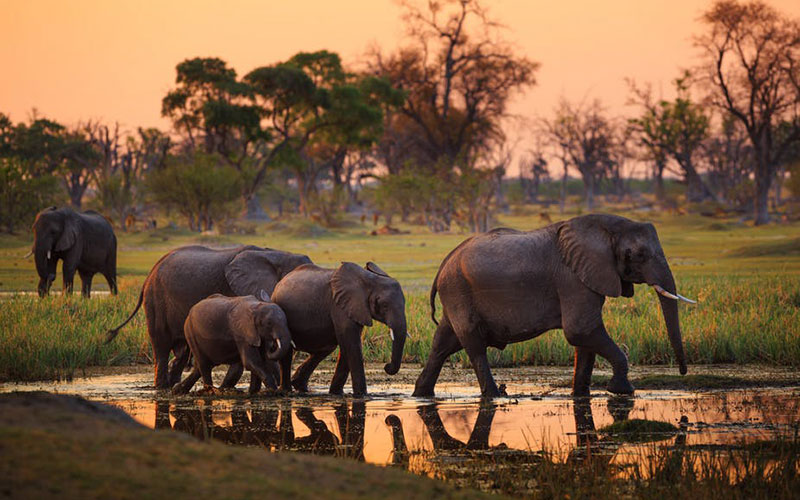
2. Abundant Wildlife – Home to the famous Big Five (lion, leopard, elephant, buffalo, and rhino) and a wide variety of other animals including cheetahs, hyenas, giraffes, and over 500 species of birds.
3. Seronera Valley – Known as the heart of the Serengeti, this area offers excellent year-round game viewing and is a prime location for spotting big cats.
4. Grumeti and Mara Rivers – Famous for the intense predator-prey interactions during the migration season, especially the dramatic river crossings.
5. Ndutu Plains – A key calving area for wildebeest, usually from December to March, attracting many predators and offering incredible wildlife viewing opportunities.
6. Kopjes (Rock Outcrops) – Unique granite rock formations scattered across the plains, often serving as lookouts for lions and other predators.
7. Birdwatching – A paradise for bird lovers, with species ranging from ostriches and secretary birds to colorful bee-eaters and eagles.
8. Hot Air Balloon Safaris – A unique way to experience the vastness of the Serengeti and witness wildlife from above at sunrise.
9. Cultural Encounters – Visits to nearby Maasai villages offer insight into the traditions and lifestyle of the local people living near the park.
These attractions together make the Serengeti one of the most iconic and unforgettable safari destinations in the world.

Best Time To Visit

The best time to visit Serengeti National Park largely depends on personal preferences and the type of experience you seek. However, there are two primary seasons to consider:

  • Dry Season (June to October)
  • Wet Season (November to April)
  • Calving Season (January to February)